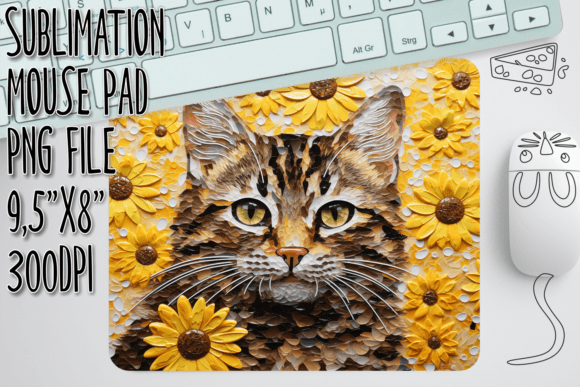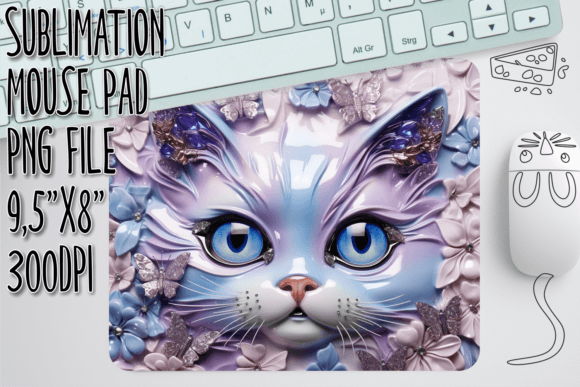
Cat in Flowers 3D Mouse Pad Review
As a designer who spends half my life staring at stitch grids and the other half trying to sell handmade goods, I have learned to be skeptical of any product that promises "3D" results without showing me the technical breakdown. When Cat in Flowers 3D Mouse Pad landed on my desk, I didn't just see a cute image; I saw a potential asset for my embroidery project portfolio and a candidate for my small shop’s seasonal collection. However, because this is a digital design specifically created for sublimation use, my review focuses heavily on how this visual concept translates when we attempt to adapt it into tangible textile art, whether through direct embroidery digitizing or as a reference for layered crafting.
The First Impression: Mood and Visual Personality
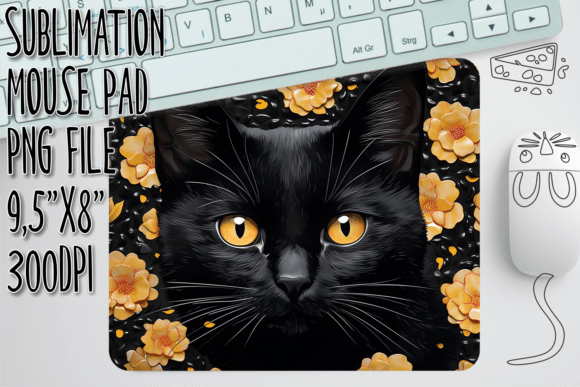
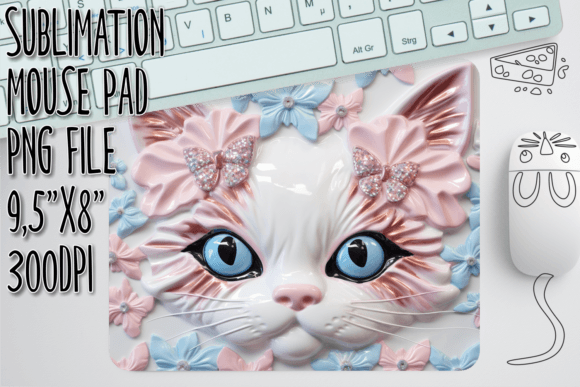
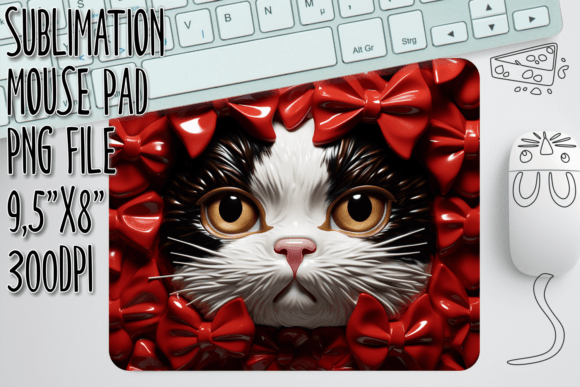
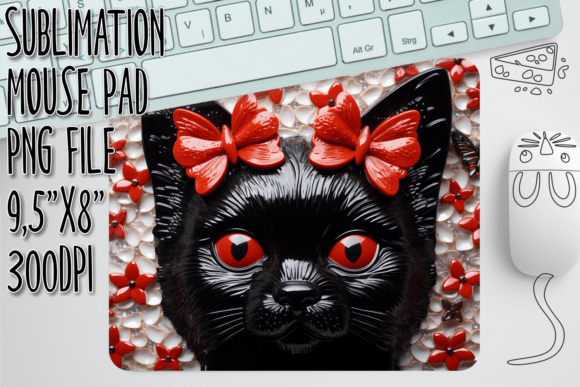
The moment you look at Cat in Flowers 3D Mouse Pad, the mood is immediately established: cozy, whimsical, and undeniably soft. The composition relies on a central feline figure surrounded by a lush arrangement of blooms. From a design perspective, the layout is balanced, which is crucial for machine embroidery design. If the weight of the design is too skewed to one side, it can cause hoop imbalance or create an awkward drape on garments like tote bags or sweatshirts.
What stands out is the implied depth. Even though this is a flat graphic, the shading suggests volume. For an embroiderer, this presents both an opportunity and a challenge. It invites us to think about how to replicate that "3D" feel using thread textures rather than just color gradients. This isn't just a simple line drawing; it has the visual complexity required for a high-end embroidery file that commands a higher price point in a craft business.
Real-World Application: Where Does It Fit?
I recently considered using this concept for a custom embroidered tote bag for a local boutique client. The idea was to create a cheerful, spring-themed accessory that would appeal to young professionals and students. Cat in Flowers 3D Mouse Pad offers a strong focal point that works beautifully on the front panel of a canvas tote. The floral elements provide enough surface area for fill stitch techniques, allowing the texture of the thread to catch the light and mimic the petals' softness.
Similarly, this design feels perfectly suited for baby embroidery projects. Imagine this motif stitched onto a muslin burp cloth or a hooded towel. The rounded shapes of the cat and flowers are gentle and non-threatening, which is ideal for nursery decor or baby gifts. In these contexts, the handmade product value increases significantly because the design conveys care and attention to detail.
For Etsy sellers and digital product sellers, this graphic also serves as excellent source material. While the purchase itself does not include a tangible item or a ready-to-stitch .pes or .dst file, the visual assets can inspire custom digitizing work. You could use this as a reference to create a unique applique design where the cat is cut from felt and the flowers are stitched around it, adding a tactile dimension that pure embroidery might lack.
Technical Considerations for Embroidery Conversion
If you are planning to take this visual concept and convert it into a functional embroidery project, there are several practical notes to keep in mind. First, always test the design on scrap fabric before committing to your final piece. Fabric texture plays a massive role in how a design reads. A smooth cotton will render fine details sharply, whereas a textured linen might obscure the smaller petals.
When evaluating the stitch density, remember that dense areas can make fabric stiff. For items like custom apparel or sweatshirt embroidery, you want the finished product to remain comfortable against the skin. If the original graphic has large solid blocks of color, consider breaking them up with running stitch patterns or adding negative space to reduce bulk.
Thread colors are critical. The success of Cat in Flowers 3D Mouse Pad hinges on contrast. Ensure that your chosen thread palette provides enough separation between the cat’s fur and the background flowers. A good trick is to view your mockup in black and white; if the shapes blend together without color, they will likely struggle in monochrome lighting or on darker fabrics.
Where to Use It Carefully
Not every surface is a good match for this level of detail. I would advise caution when attempting this design on curved surfaces like caps or hats. The distortion inherent in curving a flat design over a dome can warp the facial features of the cat, potentially ruining the expression. Similarly, avoid using this on thin or stretchy fabrics without a heavy-duty stabilizer, as the tension from the needle can pucker the material.
Small hoop sizes are another limitation. If you try to shrink this design down too much, you risk losing the delicate details of the flower centers. Tiny lettering or intricate accents may become muddy blobs of thread. For best results, stick to medium to large hoop sizes where the design can breathe and the individual stitches can be appreciated.
Impact on Brand and Customer Trust
In the world of commercial embroidery and small shop products, professionalism is everything. A well-executed design like this signals quality. When customers see a crisp, well-balanced embroidered patch or a neatly stitched kitchen towel, their trust in your brand grows. Cat in Flowers 3D Mouse Pad, when executed correctly, elevates the perceived value of the item. It transforms a basic commodity into a desirable gift item.
This design also enhances giftability. Whether it’s a holiday embroidery gift or a wedding favor, the theme of nature and companionship resonates broadly. It appeals to animal lovers and plant enthusiasts alike, widening your potential customer base. By offering such thoughtful designs, you demonstrate an understanding of your audience's aesthetic preferences, which drives engagement and repeat sales.
Final Verdict for Designers
Cat in Flowers 3D Mouse Pad is more than just a pretty picture; it is a versatile design asset with strong commercial potential. It works exceptionally well for tote bag design ideas, apron customization, and pillow covers. However, its success depends entirely on your execution. As an experienced reviewer, I recommend treating this as a creative starting point rather than a plug-and-play solution.
Check your licensing agreements carefully before selling finished items. Confirm whether you have the right to digitize and resell the artwork. Once those legal bases are covered, focus on your technical preparation: choose the right stabilizer, select high-quality thread colors, and test rigorously. If you do, this design can become a standout piece in your design assets library, bringing joy to users and profits to your craft business.