3D Cat Charm Mouse Pad Art: Graphics and Crafts Review
I recently received a request from a client who runs a boutique handmade pet accessory brand. They were launching a limited-edition summer collection and needed visual assets that felt playful, premium, and instantly recognizable on social media. The brief was specific: they wanted something that screamed "cute" but didn't look cheap or overly generic. This is where I evaluated 3D Cat Charm Mouse Pad Art as a potential core element for their marketing visuals and product packaging.
As a designer, my first instinct is always skepticism. The market is flooded with low-effort clipart. However, after reviewing the file structure and visual composition of this asset, I found it to be a surprisingly robust graphic design asset for specific use cases. It is important to clarify upfront what we are working with. This is a digital design specifically created for sublimation use. Please note that it is NOT an SVG file and cannot be utilized as a cutting file. There is no tangible product offered the purchase is purely for the digital rights to use this illustration in your own projects. Understanding this distinction is critical before you integrate it into your workflow.
First Impressions and Visual Mood
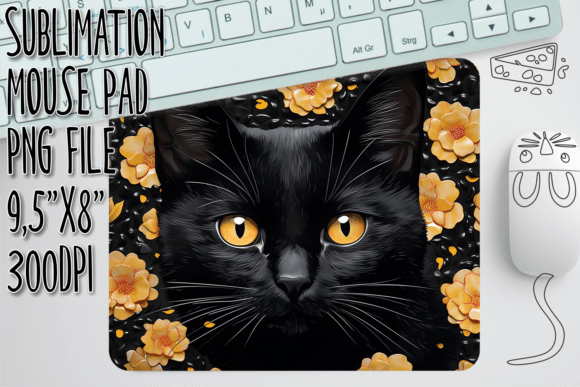
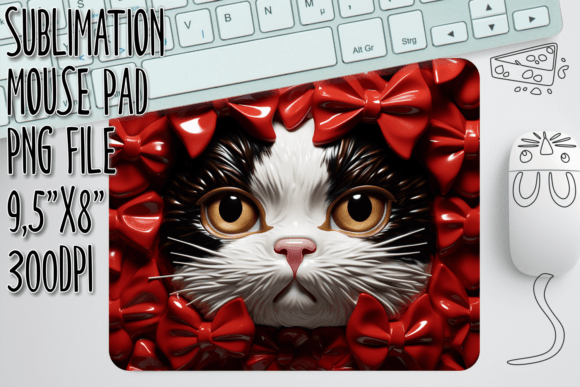
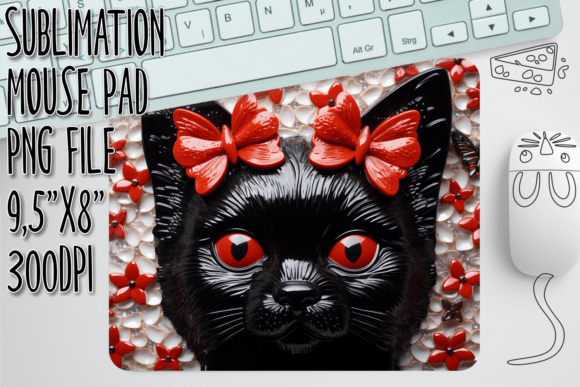
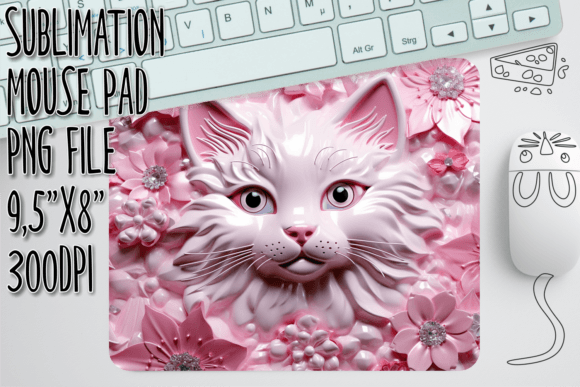
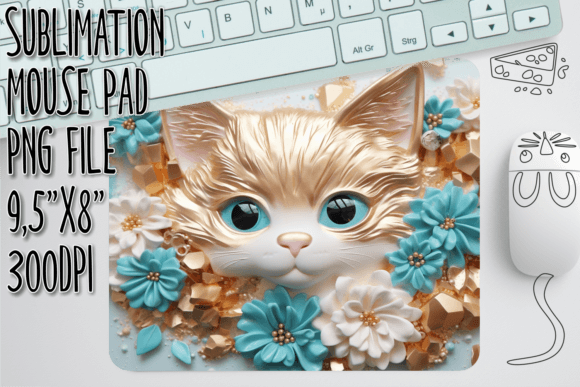
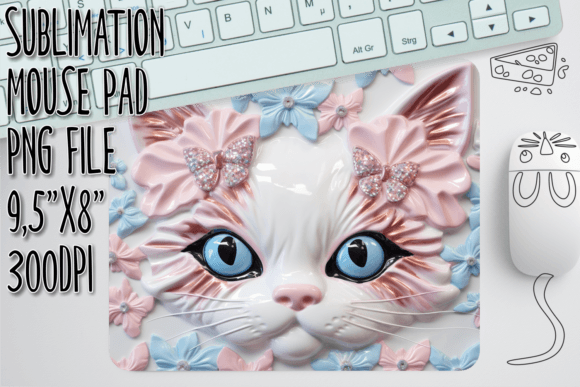
The moment you load the file, the quality of the rendering stands out. Unlike flat vector illustrations that can sometimes feel sterile, this 3D Cat Charm has depth, texture, and lighting that mimics high-end plastic or resin charms. The style leans heavily into the "kawaii" aesthetic but maintains a level of polish that makes it suitable for modern design contexts beyond just children's products.
The color palette is vibrant yet balanced. It doesn't scream for attention in a chaotic way; instead, it invites the viewer in. For a small business branding project, this kind of emotional appeal is invaluable. It creates an immediate connection with the audience, suggesting warmth, playfulness, and care. When I placed this asset on a mockup for a tote bag, the charm looked like a physical object attached to the fabric, which significantly elevated the perceived value of the product. This is exactly what print-on-demand sellers need to compete in crowded marketplaces like Etsy.
Real-World Application in Client Projects
In my recent review, I tested how this asset performs across various design bundles and standalone applications. Here is how it translates to real-world scenarios:
- Packaging Design: Because the asset has a distinct focal point, it works beautifully as a central element on product labels. Imagine this charm centered on a jar of organic cat treats or a box of artisanal pet toys. The 3D effect adds a layer of sophistication that flat graphics often lack.
- Social Media Graphics: For Instagram posts and Pinterest pins, this image grabs attention. The high contrast and detailed shading make it pop against both white and pastel backgrounds. It serves as an excellent hero graphic for campaign visuals.
- Merchandise Mockups: As mentioned, the asset shines when placed on apparel. Whether it’s a t-shirt design for a pet lover’s convention or a mug for a coffee shop collaboration, the charm looks integrated rather than slapped on.
- Digital Products: If you are creating Canva templates for other creators, this asset can serve as a decorative accent. It adds personality to planners, journals, and printable wall art without overwhelming the text.
However, it is not a one-size-fits-all solution. In logo design, for instance, caution is advised. While the charm itself is cute, using it as the primary mark for a corporate identity might send the wrong message. It lacks the minimalism required for professional corporate materials. Instead, think of it as a supporting brand element—a mascot or a secondary icon that reinforces a friendly, approachable brand voice.
Technical Considerations for Designers
Before integrating any digital product into a commercial design, a thorough technical audit is necessary. Here are the specific checks I recommend when evaluating 3D Cat Charm Mouse Pad Art:
- File Format and Editability: Since this is not an SVG design suitable for Cricut or Silhouette cutters, you must ensure you have the correct resolution for your output method. If you are using it for sublimation design, verify that the PNG resolution is at least 300 DPI to avoid pixelation. If you need to edit the colors or isolate the charm from its background, check if transparency is preserved. A clean alpha channel is essential for placing the asset over complex backgrounds.
- Contrast and Readability: Always test the asset in black and white. Does the 3D effect hold up without color? Sometimes, shadows and highlights rely entirely on hue to create depth. If the contrast drops too low, the charm may look muddy on dark backgrounds. I found that it performs best on light, neutral tones where the details can breathe.
- Typography Pairing: The whimsical nature of the charm requires careful typographic balance. Pairing it with a heavy display font can create a cohesive, bold look. Alternatively, a clean sans serif font can ground the design, making it feel more modern and less childish. Avoid pairing it with overly ornate script fonts unless you are aiming for a very specific, cluttered aesthetic.
- Scalability: Preview the asset at small sizes. On a mobile screen, does the charm remain recognizable? If the details become indistinguishable, the asset may lose its impact. This is crucial for web design elements where space is limited.
Where to Use and Where to Avoid
To maximize the effectiveness of this creative design, strategic placement is key. The asset works best in large layout areas where it can be appreciated as a piece of art. It is perfect for editorial design features, such as blog headers or magazine sidebars focused on pet lifestyle trends. It also excels as a decorative accent in sticker design collections, where the glossy, 3D appearance mimics real vinyl stickers.
Conversely, there are environments where this asset should be used carefully. In crowded layouts with multiple competing elements, the charm can become visually noisy. If your design already has strong visual hierarchy issues, adding a detailed 3D object will only exacerbate the problem. Additionally, for projects requiring very clean visual hierarchy, such as minimalist branding or sleek tech packaging, this asset might feel out of place. It brings a lot of personality, which is wonderful for handmade business campaigns but potentially distracting for serious B2B communications.
Final Verdict for Commercial Use
Ultimately, 3D Cat Charm Mouse Pad Art is a versatile and high-quality illustration that can elevate a project when used correctly. It bridges the gap between cute and professional, making it an ideal choice for crafts enthusiasts, Etsy product sellers, and brands targeting pet owners. Its strength lies in its ability to add instant character and warmth to a design.
For designers, the key takeaway is context. Do not treat it as a universal placeholder. Treat it as a specialized tool for adding charm and dimension to your work. Ensure you understand the licensing terms—confirming commercial license permissions is non-negotiable when selling physical goods or offering services to clients. By respecting the asset’s limitations (such as its non-cuttable nature) and leveraging its strengths (its 3D realism and emotional appeal), you can create compelling marketing visuals that resonate with audiences and drive engagement.
If you are looking to inject a bit of playful luxury into your next small business branding project, this asset is definitely worth considering. Just remember to test it thoroughly, pair it wisely, and let its unique style shine through without overpowering your core message.