3D Kitten Flower Mouse Mat Review
As a designer who spends half her life staring at stitch charts and the other half trying to explain to clients why their logo won’t fit on a baseball cap, I have learned to be skeptical of every new file that lands in my inbox. We are all tired of buying "cute" digital assets that look adorable on a screen but turn into muddy, unrecognizable blobs once they hit the fabric. That is exactly where my review of the 3D Kitten Flower Mouse Mat begins. This isn't just about aesthetics; it is about functionality, marketability, and whether this design actually holds up when you are rushing to fulfill an order for a busy Etsy seller or preparing a personalized gift for a friend.
First, let’s address the elephant in the room regarding the product nature. The listing clearly states that this is a digital design specifically created for sublimation use and is NOT an SVG file. For those of us in the machine embroidery world, this distinction is critical. It means you cannot simply throw this into your cutter software and expect it to work as a standard cutting file. However, for the creative entrepreneur looking to expand their offerings beyond traditional stitching, this opens up a fascinating avenue. While I am evaluating this from the perspective of an embroidery professional, understanding its role in sublimation helps clarify what kind of visual weight and detail level we are dealing with. If it works well for sublimation, it likely has strong graphic integrity, which is a good sign for how it might translate if digitized correctly or used in hybrid crafting projects.
First Impressions and Visual Personality
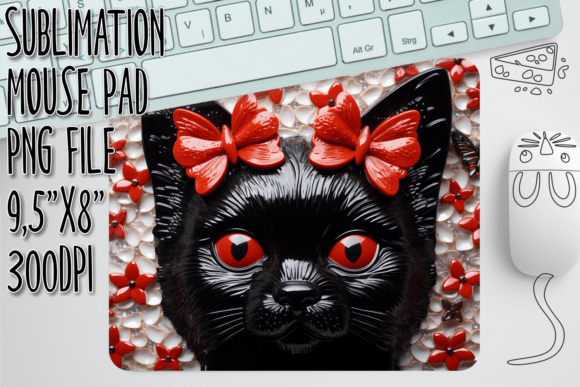
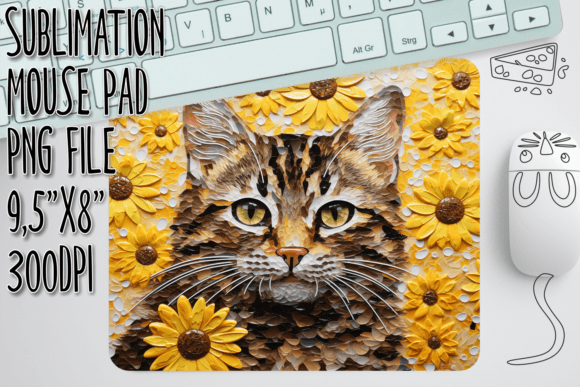
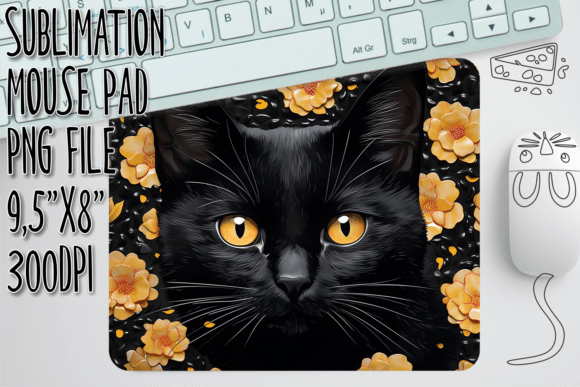
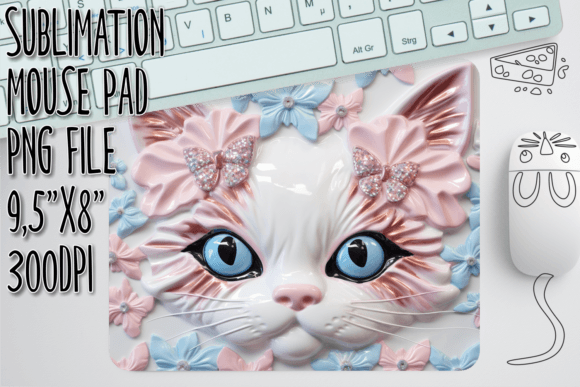
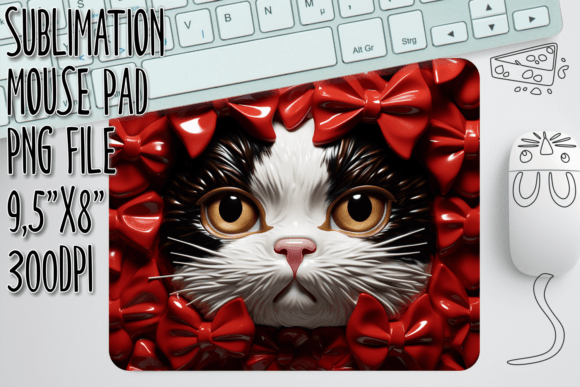
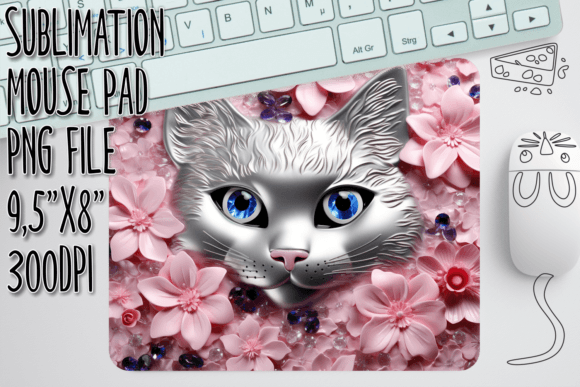
The moment you load the preview of the 3D Kitten Flower Mouse Mat, the mood is instantly established. It is whimsical, soft, and undeniably cute, but not in a childish way that limits its audience. The composition features a kitten nestled within floral elements, creating a focal point that is balanced and easy to read. From a design standpoint, this is crucial. In the world of handmade products, especially those sold on platforms like Etsy or at craft fairs, clarity is king. If a customer has to squint to figure out what they are buying, you have already lost the sale.
The layout suggests a natural placement on apparel or accessories. It feels right centered on the chest of a sweatshirt, placed prominently on the front of a tote bag, or perhaps scaled down for a pocket square or a nursery pillow cover. The theme leans heavily into comfort and nostalgia, making it an excellent candidate for baby items, spring-themed collections, or general wellness and self-care merchandise. It doesn’t scream for attention with loud colors or aggressive shapes; instead, it invites the viewer in. This subtlety is often what separates a generic print from a boutique-quality item.
Real-World Application: Where Does This Fit?
Let’s talk about real project use. Imagine you are prepping inventory for the upcoming holiday season or building out your summer collection. The 3D Kitten Flower Mouse Mat has versatile potential across several categories.
- Custom Apparel: On a light-colored cotton sweatshirt or t-shirt, this design would pop beautifully. The floral and animal elements lend themselves well to casual wear, appealing to a broad demographic of women and young adults.
- Baby and Nursery Items: This is perhaps its strongest suit. A onesie, a receiving blanket, or a crib sheet featuring this motif hits the sweet spot for gift-givers. Parents love designs that are gender-neutral enough to appeal to anyone but distinct enough to feel special.
- Home Decor: Think tea towels, kitchen aprons, or cushion covers. The "mouse mat" aspect of the title hints at a flat, functional aesthetic, which translates surprisingly well to household textiles. It adds a touch of charm to a workspace or kitchen without overwhelming the space.
- Accessories: Tote bags are a staple for any craft business. Using this design on a canvas tote creates a practical yet stylish accessory that customers will actually use, providing free branding exposure every time they carry their groceries or books.
However, as an experienced reviewer, I must caution against assuming this design works everywhere. The specific mention of it being a sublimation-focused digital asset means we need to consider how the colors and lines hold up on different materials. Sublimation ink bonds with polyester fibers, so the vibrancy relies heavily on the base material. If you are planning to adapt this for embroidery, you must ensure the digitization captures the nuances of the original graphic.
Practical Designer Notes and Technical Considerations
Before you commit this design to production, there are several technical checkpoints every embroiderer and digital product seller should run through. Ignoring these steps is the fastest way to end up with a pile of unsellable stock.
- Test on Scrap Fabric: Never go straight to the final product. Run your test stitches on the exact same fabric type and color you plan to sell. Fabric texture can drastically alter how a design reads. A smooth cotton might look sharp, while a textured linen could obscure fine details.
- Check Stitch Density and Detail: If you are converting this or using a similar vector, pay close attention to the small details. Tiny petals or whiskers can get lost if the stitch density is too high or if the hoop size restricts the machine’s ability to navigate tight corners. Ensure that the satin stitch edges are clean and that the fill stitch areas don’t pucker the fabric.
- Stabilizer Selection: The choice of stabilizer is just as important as the thread. For stretchy fabrics like jersey knits used in baby clothes, a cut-away stabilizer is usually non-negotiable to prevent distortion over time. For home decor items like pillows, a tear-away might suffice, but always test for stability.
- Thread Color Contrast: Evaluate your thread colors against the fabric. High contrast generally ensures better visibility, but sometimes low contrast creates a more sophisticated, tonal look. Test both approaches to see which aligns with your brand’s aesthetic.
- Black and White Mockups: Convert your design to black and white to check the value structure. If the design loses its shape or readability without color, it may rely too heavily on shading rather than form. A strong silhouette is essential for a successful embroidery project.
Market Appeal and Customer Trust
From a business perspective, the 3D Kitten Flower Mouse Mat offers significant value. In a crowded marketplace, unique, high-quality designs help build brand consistency. When customers see a cohesive style across your Etsy listings or small shop product line, they are more likely to trust your quality. This design, with its clear subject matter and pleasing composition, communicates professionalism.
Furthermore, the trend towards personalized gifts continues to grow. Adding a name or date to a design featuring a kitten and flowers is a natural extension that increases perceived value. Customers are willing to pay a premium for items that feel tailor-made for them. Whether it is a custom apparel piece for a birthday or a holiday embroidery set for Christmas, the emotional connection triggered by such imagery drives engagement and sales.
However, remember that transparency builds long-term trust. Since this is a digital asset, clearly communicate to your customers what they are getting. If you are selling the finished physical goods, highlight the craftsmanship involved in bringing the digital design to life. If you are selling the design files, ensure your descriptions accurately reflect the intended use, whether for sublimation or as a reference for digitizers.
Final Verdict
The 3D Kitten Flower Mouse Mat is a charming, well-composed design that fits seamlessly into the portfolios of craft business owners, Etsy sellers, and creative entrepreneurs. Its strength lies in its versatility and emotional appeal, making it suitable for a wide range of handmade products from apparel decorators to nursery decor specialists.
While the primary designation as a sublimation file requires careful consideration for those strictly in the machine embroidery niche, the underlying graphic quality is robust. By following proper testing protocols—checking stitch density, selecting the right stabilizer, and validating thread colors—you can leverage this design to create standout finished products that resonate with buyers. It is a solid addition to your design assets library, provided you respect its technical constraints and prepare accordingly. For those looking to add a touch of whimsy and warmth to their commercial embroidery or craft offerings, this design delivers on both aesthetic and commercial fronts.